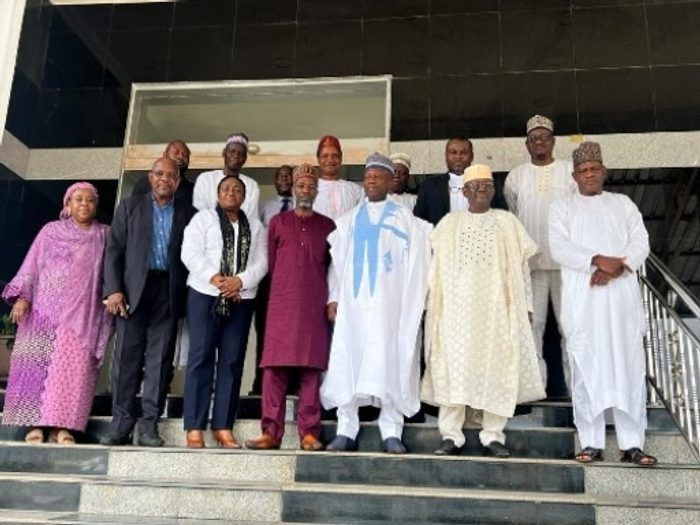
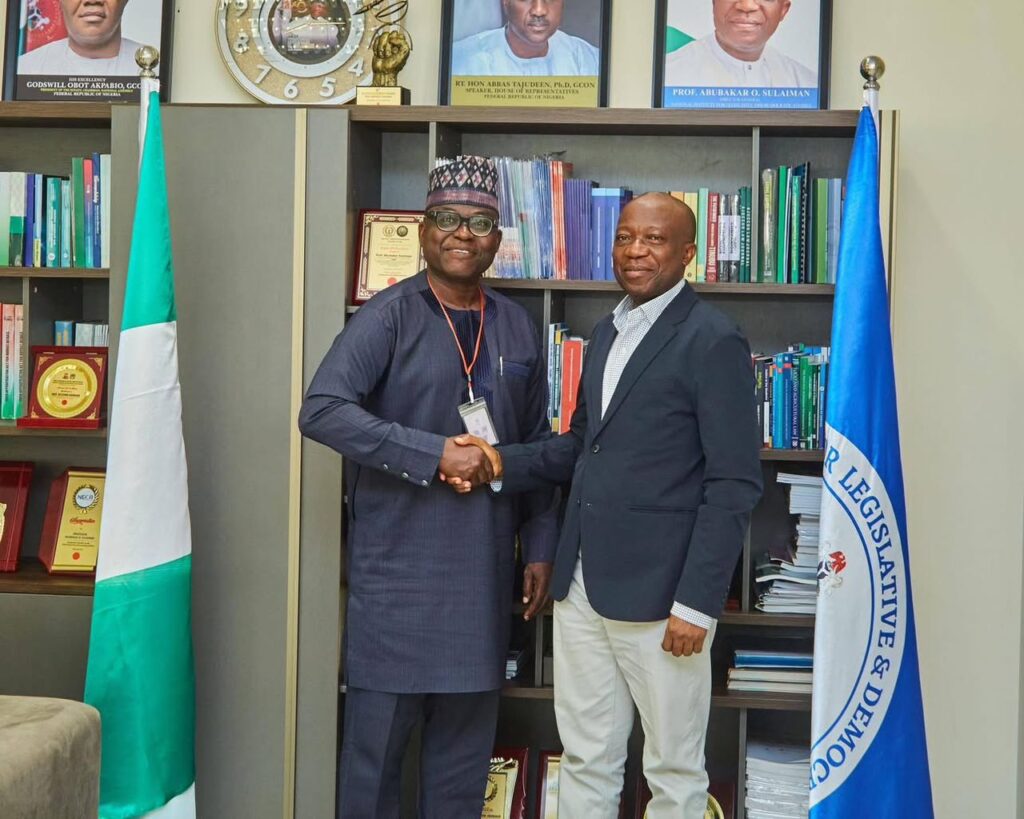
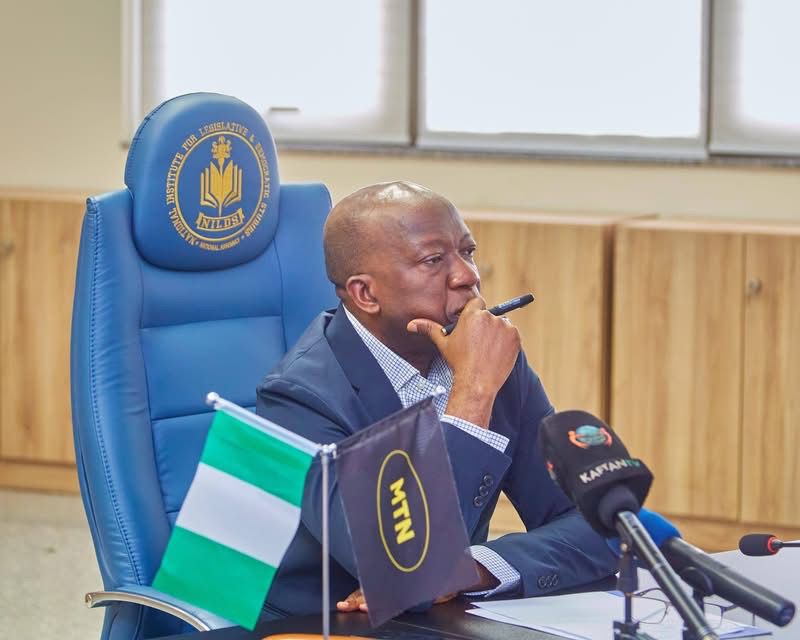
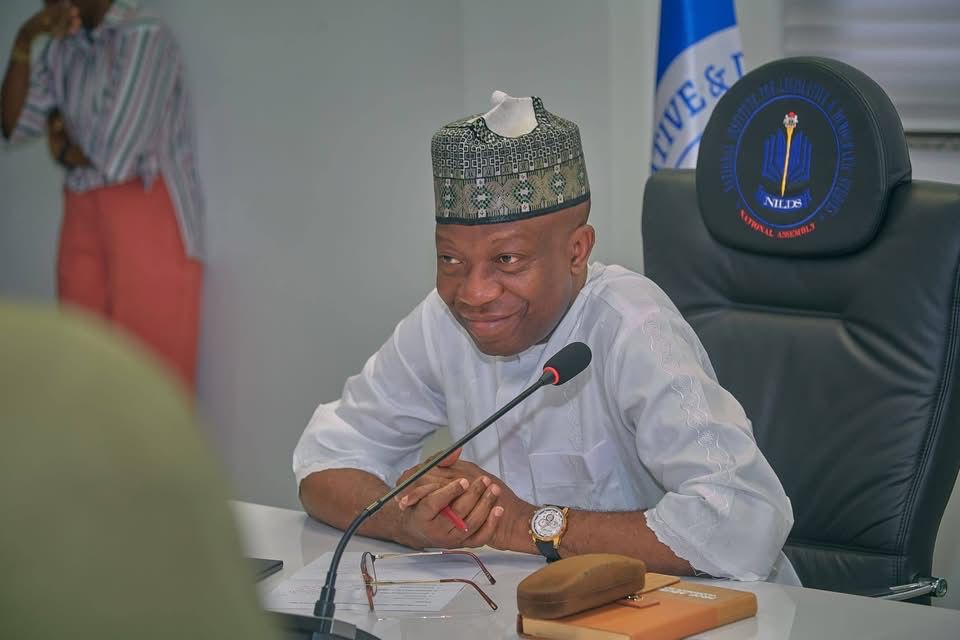
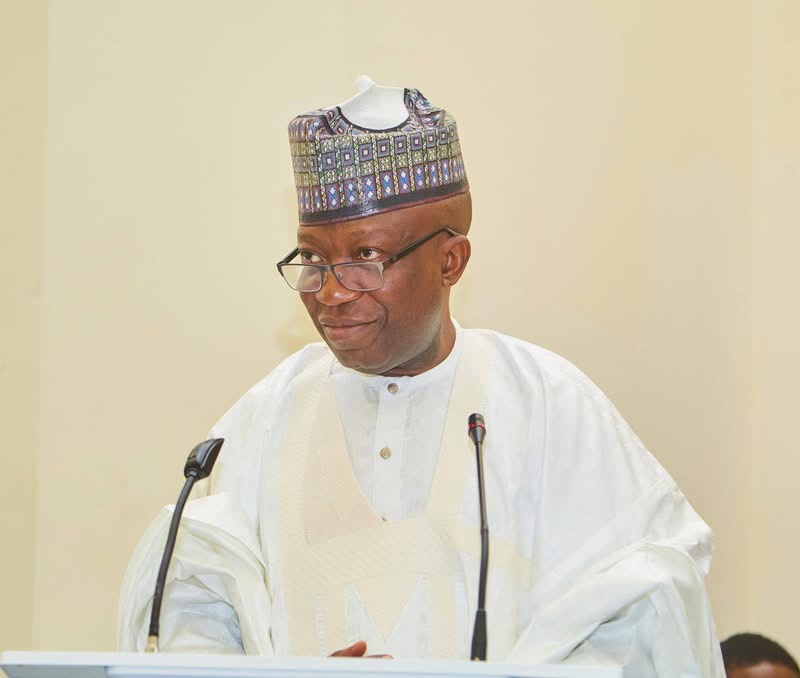
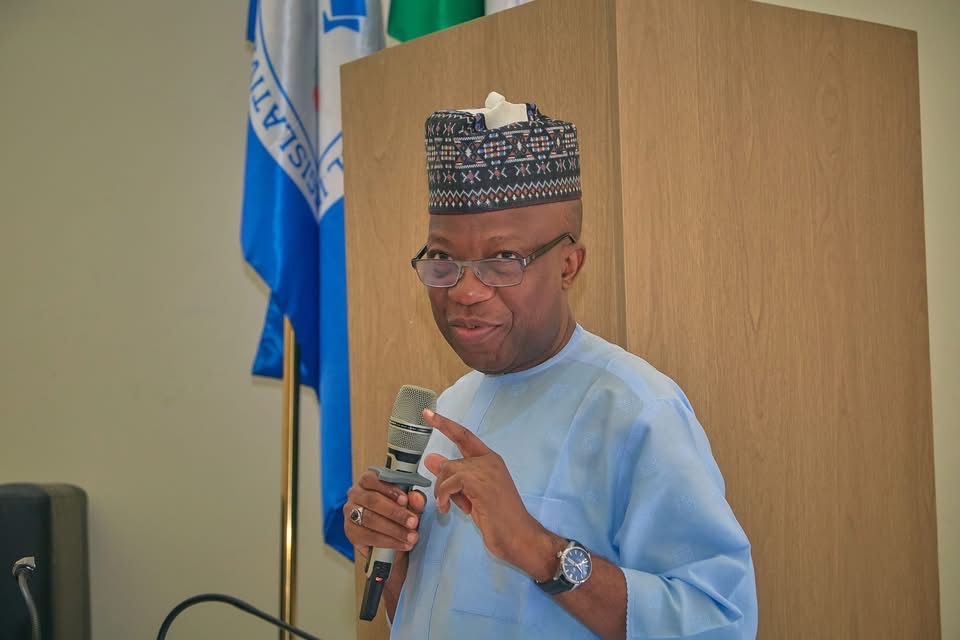
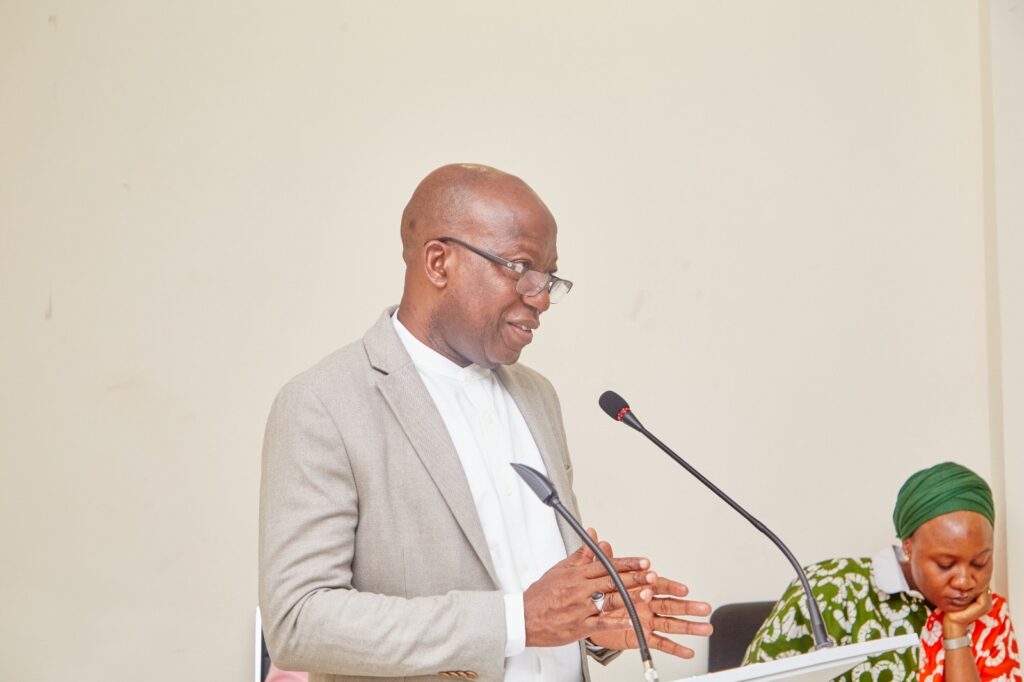
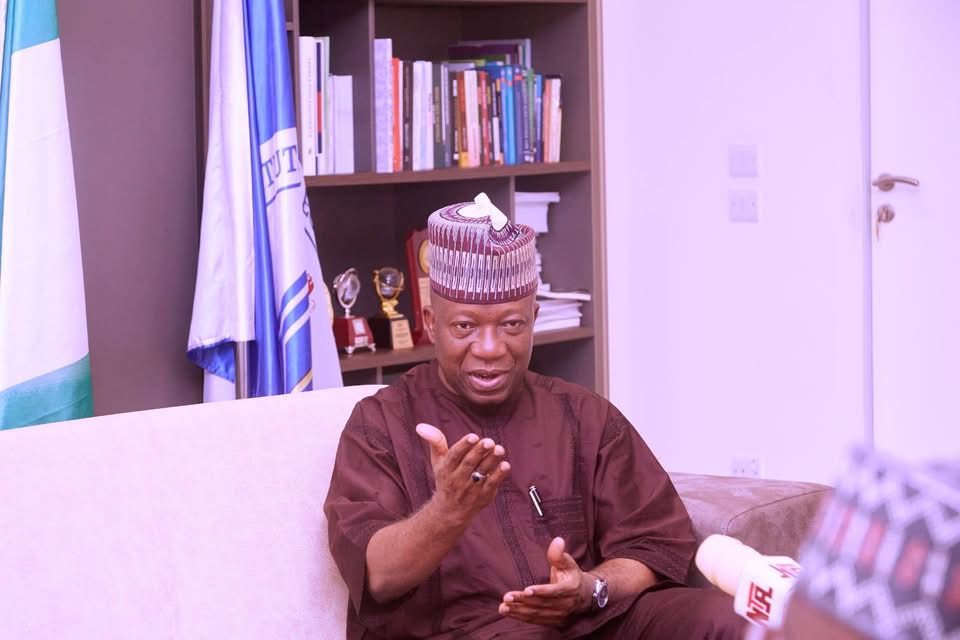
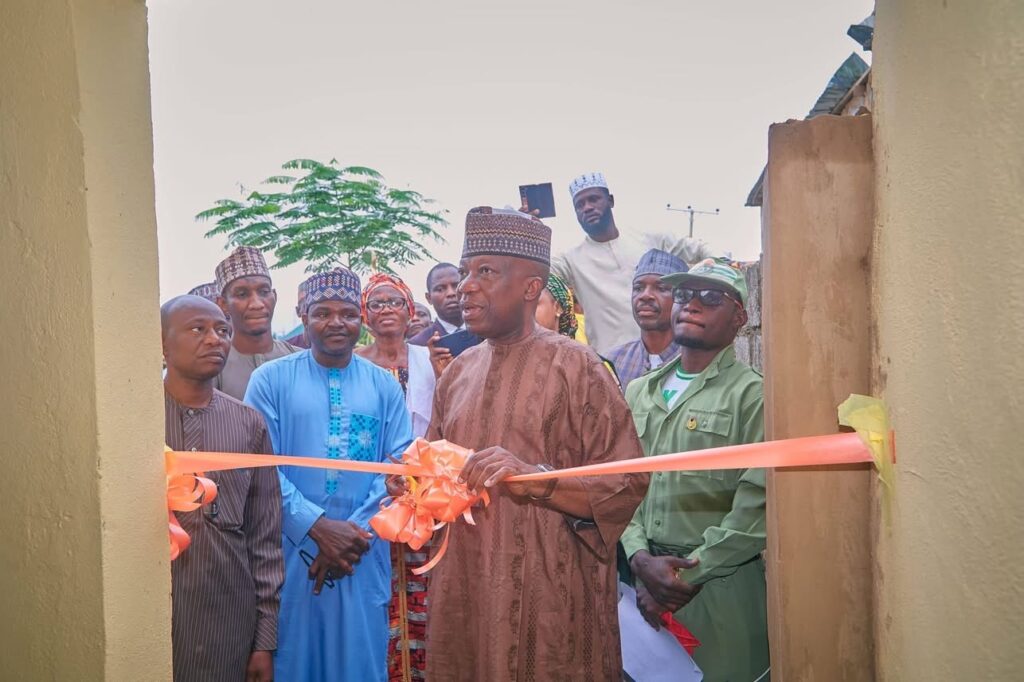
National Institute for Legislative and Democratic Studies (NILDS) has signed a Memorandum of Understanding (MoU) with the Jigawa State Public Complaints and Anti-Corruption Commission (JPCACC) to strengthen institutional capacity, promote transparency, and enhance anti-corruption efforts through training, research, and knowledge sharing.
Speaking at the signing ceremony, the Chairman of the Jigawa State Public Complaints and Anti-Corruption Commission, Barr. Salisu Abdu, described the partnership as a strategic step towards strengthening the Commission’s institutional capacity. He noted that the collaboration would provide opportunities for continuous training, technical support, policy research and the exchange of best practices, thereby enhancing the Commission’s ability to effectively discharge its mandate of promoting transparency, accountability, and good governance in Jigawa State.
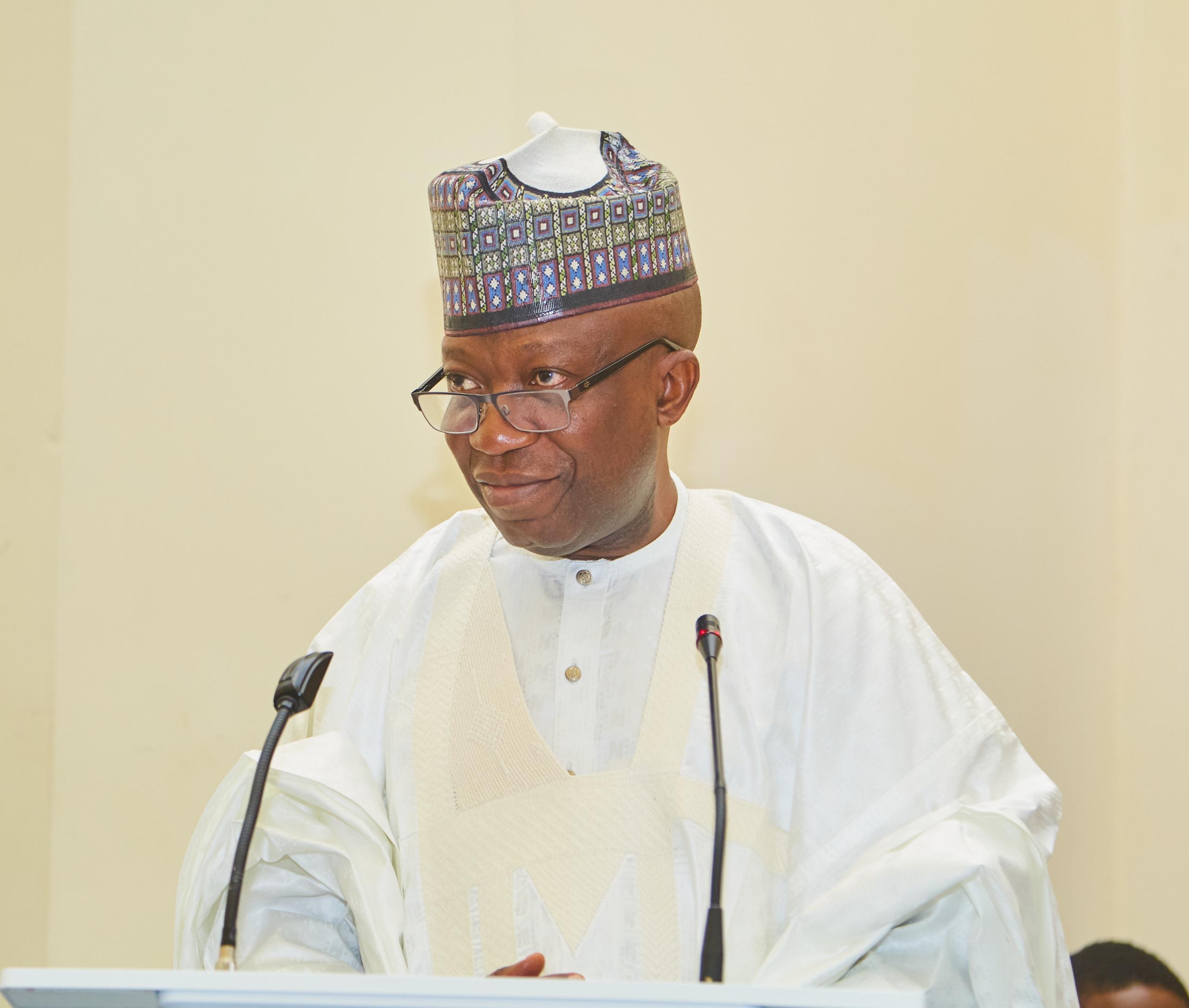
In his remarks, the Director General of NILDS, Prof. Abubakar O. Sulaiman, emphasized that the success of anti-corruption institutions depends not only on their establishment but also on effective implementation, committed leadership, and continuous capacity development. He observed that while Nigeria possesses the resources and ideas needed for national development, the greater challenge lies in ensuring accountability, prudent resource management, and the diligent execution of public policies.
Prof. Sulaiman further stated that the partnership reflects NILDS’ commitment to strengthening public institutions through research, training, and knowledge sharing. He stressed that continuous learning and exposure to global best practices remain essential for building effective institutions capable of delivering on their statutory responsibilities and meeting the expectations of the public.
The Director General also commended the Government of Jigawa State for establishing the Public Complaints and Anti Corruption Commission, describing the initiative as a demonstration of commitment to promoting transparency, accountability, and good governance at the sub national level.
The Memorandum of Understanding provides a framework for sustained collaboration between both institutions in capacity building, policy research, technical support, and institutional development, reinforcing their shared commitment to strengthening public sector accountability and effective governance.